
What Should You Pack for Your First Time Studying or Working in Japan?
Time really flies. Before I knew it, I’d already spent many years living in Japan. Recently, a friend asked me what they should bring when coming to Japan for the first time. Other people had asked me the same thing before, but maybe because the topic felt too trivial—or maybe because I didn’t yet have a clear and comprehensive answer for newcomers—I’d never actually written a proper article about it.
So today, I’m finally putting everything together. From now on, instead of giving fragmented answers over and over again, I can just send people this article. Nice.
Essentials
Money
1. Japanese Yen Cash
Bringing around ¥200,000–¥300,000 in cash should be more than enough.
A lot of people still seem to think Japan is a “cash-only society,” but honestly, that’s outdated information. At least in Tokyo, whether you’re at a convenience store, supermarket, drugstore, or restaurant, seeing people pay with cash is actually becoming less common.
That said, there are still good reasons to carry some cash:
- Some shops only accept cash or certain Japan-exclusive payment cards.
- Apple Pay and Google Pay may only work for small transactions; purchases over ¥10,000 sometimes require a physical card.
- Some payment slips—especially those paid at convenience stores—can only be settled in cash.
2. Bank Cards
Bring at least one debit card.
Among Chinese banks, I personally recommend a debit card from CITIC Bank because the withdrawal fees in Japan are relatively low compared to UnionPay cards from China’s “Big Four” banks, and the application process is usually straightforward.
You may have heard people recommend the Bank of China Great Wall Card. It is a good option, but there’s no need to go out of your way to get one if you don’t already have it. The Great Wall Ice & Snow debit card only waives the ATM fee for the first withdrawal each month. If you withdraw cash more than once a month, CITIC may actually be cheaper overall. If you do want a Bank of China card, the Great Wall Global Travel Card is a better choice.
It’s also a good idea to bring a credit card. Certain situations are simply more convenient with one. Even though you’re going to Japan, I’d still say a Visa credit card is generally more useful than JCB.
Personal Seal (Hanko)
Bring a full-name seal around 12–15 mm in size. Avoid rubber materials; a hard material is better. Those inexpensive horn-style seals sold online for around 10–20 RMB are perfectly fine.
Nowadays, most personal procedures in Japan can be completed with just a signature, but there are still occasional situations where a seal is required. It’s much easier to prepare one before arriving.
Since personal seals are becoming less common, seal-making shops in Japan are harder to find than before. Having one made after arriving can be surprisingly expensive and time-consuming—it’s not unusual for a simple seal to cost several hundred RMB.
SIM Card
Your phone itself goes without saying, but let’s talk about mobile service.
Chinese SIM cards generally work in Japan, but because roaming fees can be expensive, it’s a good idea to purchase a one- or two-week international data package before departure.
Although you can apply for a Japanese SIM card after arriving, it may still take a few days before you receive it. I’m not even sure whether same-day pickup is widely available.
Suit, Tie, and Dress Shoes
Bring at least one formal outfit.
You’ll likely need it for interviews, school ceremonies, or other formal occasions, and it’s not easy to quickly buy a suit in Japan that both fits well and suits your taste. Formal wear here is also fairly expensive.
For everyday clothes, you can always just stop by Uniqlo, and the prices are pretty similar to China anyway.
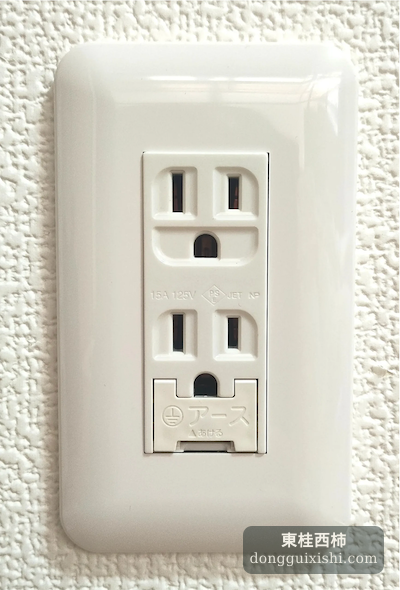
Two-Prong to Three-Prong Plug Adapter
If you absolutely must bring electronics with three-prong plugs, don’t forget an adapter.
Three-prong outlets are relatively uncommon in Japan, and even when they exist, they’re often different from the Chinese standard.
One more thing: if it’s convenient, consider bringing one or two power strips with two-prong plugs from China. Power strips in Japan are noticeably more expensive.
Coin Purse
Japan’s smallest denomination is the ¥1 coin, while the largest is the ¥10,000 bill. Anything below ¥1,000 mostly comes in coins, so you’ll end up accumulating a ridiculous amount of change before long.
A coin purse becomes surprisingly useful.
Essential Medicines
If you take prescription medication, absolutely bring enough with you. Don’t wait until after you arrive in Japan.
In Japan, prescription medicine requires an actual prescription every single time. Without one, pharmacies simply won’t sell it to you.
For non-prescription medicine, I’d suggest bringing a few reliable items for stomach issues and skin problems.
There’s no need to overprepare, though. Drugstores are everywhere in Japan, and buying over-the-counter medicine is generally very convenient.
Recommended Items
Bedsheets and Pillowcases
Bedsheets and duvet covers in Japan around the ¥7,000–¥8,000 range often feel surprisingly mediocre in quality. If you already have good ones at home, bringing them from China may be worth it.
As for the comforter itself, buying one in Japan is fine and usually offers decent value for money.
Winter Slippers
Good winter slippers are oddly difficult to find in Japan.
If you buy them online here, they’re often being resold by Chinese vendors anyway. A pair that costs around 15 RMB in China can easily cost close to ¥2,000 in Japan.
Power Bank and Earphones
These are everyday essentials for most people, so definitely bring them.
Water Bottle, Umbrella, and Rain Gear
A water bottle and umbrella are daily necessities, and since they don’t take up much luggage space, it’s worth bringing your own. You’ll probably save around half the cost compared to buying them in Japan.
As for rain gear, I rarely see people in Japan wearing the poncho-style raincoats commonly used in China.
Starting this year, Japan’s traffic regulations have become stricter, and riding a bicycle while holding an umbrella now carries heavier penalties. If you expect to cycle frequently after moving here, I’d strongly recommend bringing a lightweight two-piece rain suit.
Basic Stationery
Pens, pencils, erasers, notebooks—just the basic stuff.
That’s about everything truly worth mentioning. Beyond that, the rest depends on personal needs: seasonal clothes and shoes, toiletries, laptops, cameras, and so on.
One final reminder: check the voltage requirements of any electronics you plan to bring. If a device only supports 220V, do not bring it.
Japan uses 110V power, and devices designed exclusively for 220V may not function properly—or safely. Don’t assume a cheap portable voltage converter will solve the problem either. Reliable transformers that safely convert 110V to 220V are usually bulky, expensive, and inconvenient to carry around.