
Two Japanese Films I Have Watched
During my first year in Japan, I was busy with all kinds of things and did not have much entertainment. I watched very few films in total.
Many people enjoy Japanese anime and watch a lot of it, and that often helps them learn Japanese faster.
The same should be true of Japanese variety shows, dramas, and films. Watching more of them can probably make Japanese learning much more effective.
Today I want to share two Japanese films I have watched.
Dr.コトー診療所
Dr.コトー診療所, usually translated into Chinese as Dr. Koto’s Clinic, is a film about a doctor named Koto and his life and work on a small island. The film also shows the island’s natural scenery and everyday atmosphere, giving viewers a sense of life far from the city and close to nature.
The main character, Dr. Koto, is a highly skilled doctor with deep compassion for his patients. He opens a clinic on a quiet island far away from the noise of the city and provides medical care for the island’s residents. Through his medical skill and kindness, he earns their respect and trust.
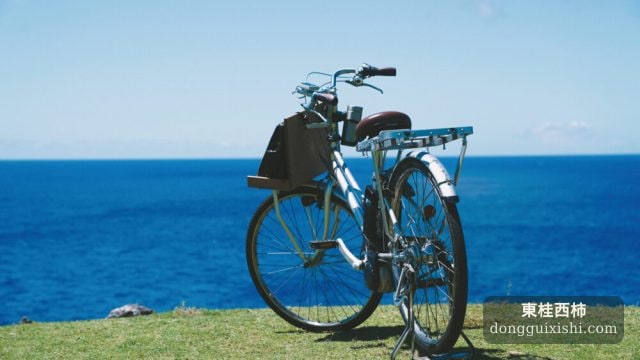
After watching the film, I felt that if I were a Japanese-language teacher planning a movie activity, I would choose this film for students.
The dialogue is relatively simple and close to real life, and the beautiful, peaceful island is genuinely appealing.
In the past, I probably would not have felt this way. But now, if I had a home on an island like that, I think I could stay there for the rest of my life.
銀座二十四帖
銀座二十四帖 is a very old Japanese film from the 1950s. In it, you can see what Tokyo and Osaka looked like during that era.
Because there were no subtitles at all, I only roughly understood parts of it. The film seemed to have two main threads:
- The visible thread: the heroine searches for Mr. GM, who painted her portrait when she was a teenager.
- The hidden thread: the police are trying to catch a major drug trafficker.
After the heroine’s portrait is exhibited in a gallery, different GMs begin appearing one after another.
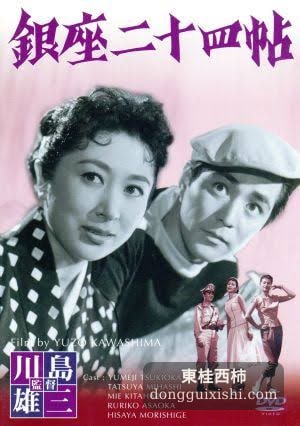
The male lead is the owner of a flower shop. He and the heroine seem to have feelings for each other, and he keeps helping her search for GM.
Who exactly is GM? Why did the male and female leads not end up together? I watched it in a confused state and still do not know. I may need to watch it a few more times to sort it out.
The language style in this film feels somewhat different from modern Japanese. For example, shikashi appears repeatedly, while I rarely seem to hear it in today’s dramas and films.
At the beginning of the film, there is a short section about the wholesale flower trade. I found that quite interesting. After sixty or seventy years, the process still looks broadly similar to what happens in China today.
China’s largest flower market is in Kunming. If you want to buy good flowers at low prices, you also need to go to the market at three, four, or five in the morning to inspect and bid for flowers. Flowers that do not sell at auction then flow into the wholesale flower market.
Another option is to go directly to the fields and buy from flower farmers.
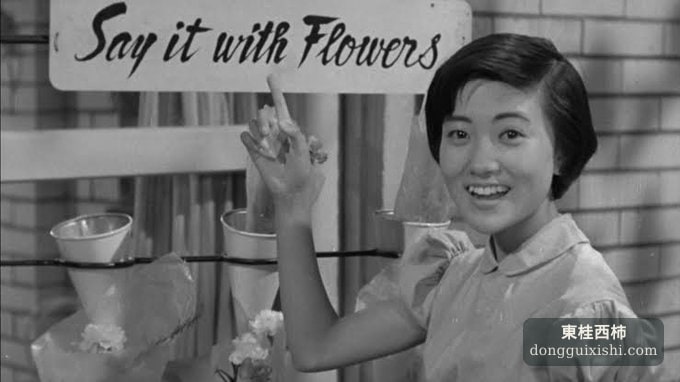
One final thought: Japanese girls back then had such graceful bearing. No wonder there are many elegant elderly women in Japan today. I have met quite a few older ladies who politely let me pass, each making a graceful dozo gesture. Compared with them, many older men seem far less refined.
If you also like these two films, feel free to tell me more about them. If you have other Japanese film recommendations, I would be happy to hear them too.