Shopping in Japan, Especially Online Shopping
Cash is still fairly common in Japan. Banknotes come in 1,000-yen, 5,000-yen, and 10,000-yen denominations. There are many coins: 1, 5, 10, 50, 100, and 500 yen. After just a few shopping trips, you may end up with a handful of change. But there is no need to worry too much. Payment machines in supermarkets, convenience stores, and similar places work very well.
Everyday Shopping
At first, I could not understand what cashiers were saying. Many times I could not hear clearly either. In reality, they are usually asking only two things: whether you need a shopping bag, and how you want to pay.
So as long as you know a few words such as hai, iie, iranai, daijobu, genkin, and card, everyday shopping in Japan is not a big problem.
Many people bring their own shopping bags to supermarkets and department stores. It is useful to prepare two: one for frozen or chilled food, and one for everything else. Reducing plastic-bag use may not save much money, but it does help the environment.
Some payment machines offer Chinese-language service. Not only is the text in Chinese, but each step also has Chinese voice guidance.
Things to Note
When shopping at supermarkets, remember to check your receipt. Items may occasionally be scanned more than once; I have encountered this several times. That said, most supermarkets now have self-checkout, and the number of staffed cashiers is gradually decreasing.
Online Shopping in Japan
Online shopping in Japan is convenient. I usually buy from Amazon Japan. It supports Chinese and the experience is generally good. Delivery often arrives the next day. Payment can be made by credit card, cash on delivery, and other methods. Cash on delivery usually has a handling fee.
I usually choose items sold by Amazon directly or filter by same-day and next-day delivery. After many orders, I have rarely had an unsatisfactory experience.
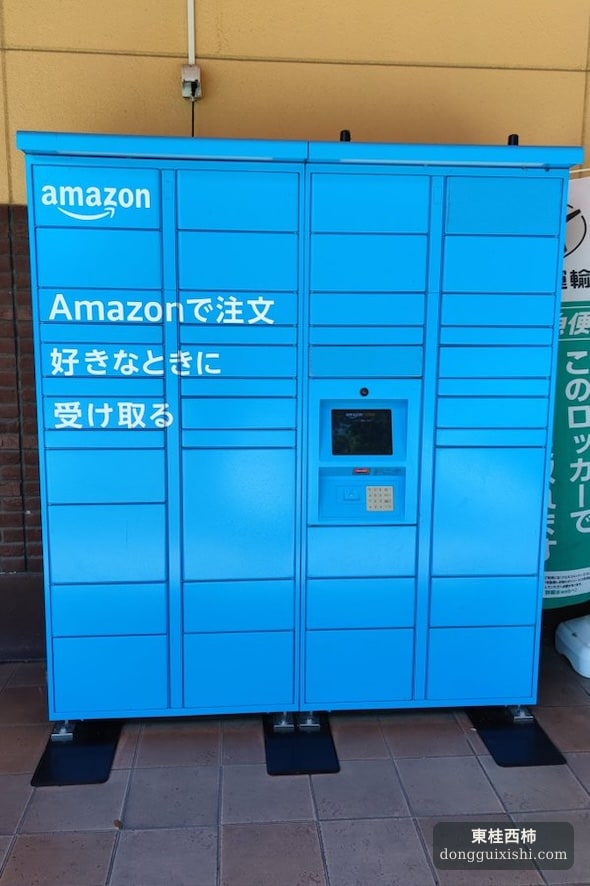
The packaging is always impressive. Delivery options are also detailed: you can specify where at home to leave the package, or choose a nearby pickup locker, as shown below.
About Amazon Returns
So far, I know of three return situations:
For items similar to self-operated products, after you request a return, a courier may come to pick them up, usually without shipping cost.
For other items, after applying for a return, you may need to take the item to the post office yourself. If shipping is free, choose cash-on-delivery shipping.
If an item has been delivered but you did not receive it, returning goods from ordinary merchants may require you to pay a certain percentage as a return fee.
If you expect to shop online often, I recommend getting Prime. Most items have free shipping, you can receive more discounts or points, and you also get Prime Video. At first I paid monthly, then later switched to the annual plan. I remember the monthly fee was 600 yen and the annual fee was 5,900 yen.
Other Online Shopping Platforms
Japan’s well-known local online shopping platform is Rakuten Ichiba. There is also Mercari, a secondhand marketplace. Other options include Yodobashi, Nitori, and IKEA.
I rarely buy from Rakuten and have not browsed it much, so I will not say too much. One thing to note is that after placing an order, remember to check your email. Otherwise, your order may be automatically canceled for various reasons.
Buying and Selling on Mercari
Mercari is similar to Xianyu in China. I have bought from it several times and was quite satisfied. You still need to judge sellers carefully. This platform has also long attracted people who operate in ways similar to no-inventory bulk selling.
The app’s user experience is average, but buying and selling things is genuinely convenient.
You can often find good items at low prices. Because in Japan you cannot simply throw things away, and sometimes you even need to pay to dispose of them, many people list unused items as part of decluttering. Their mindset is different from many sellers back home. For them, not having to pay for disposal and getting a little pocket money is already a happy outcome.
I have also sold items on Mercari. The main difference from China is that when listing an item, you choose the delivery method and shipping time in advance. Everything else is mostly similar. Mercari takes a 10% commission, and the shipping fee does not need to be paid upfront; it is deducted from the sale amount.
After selling an item, if you choose official delivery, shipping is convenient. You can arrange pickup from home, or ship from a convenience store, locker, or post office. There is no need to fill in a form; scanning a barcode is enough.
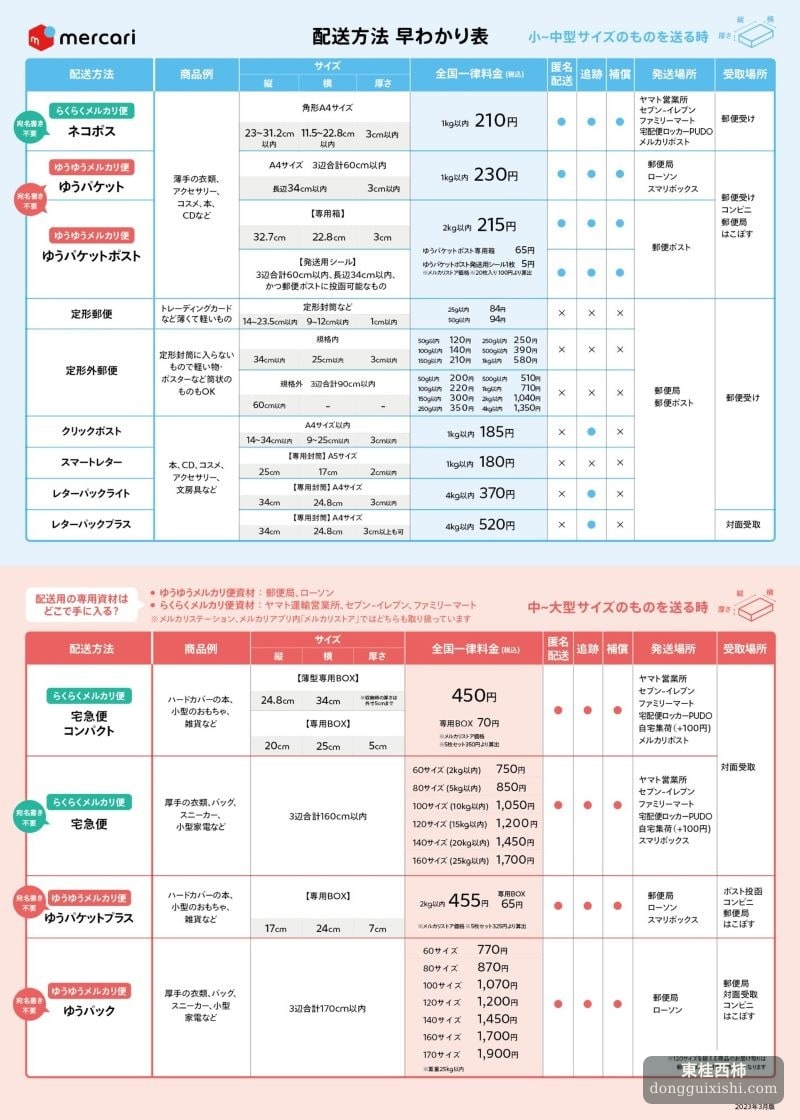
There is much more to say. For example, Mercari often runs campaigns that give money or points. Some can be withdrawn, and some can be used directly for purchases on the platform. If you are using it for the first time, you are welcome to register with my referral code PQVMXM. Both of us will receive the same amount of points, which can be used for shopping on Mercari.
Yodobashi is a local general e-commerce site. Its distinctive feature is free shipping with no minimum purchase amount.
Nitori is similar to IKEA. For home goods, its cost performance is quite good. You can choose home delivery or pick up items yourself at a store.
When you first arrive in Japan, online shopping makes many things much easier. If you plan to come to Japan, it is worth exploring these platforms in advance.
About Redelivery
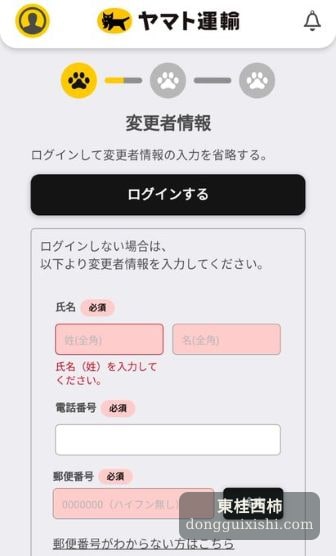
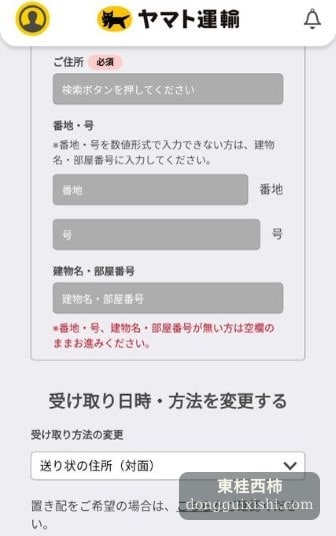
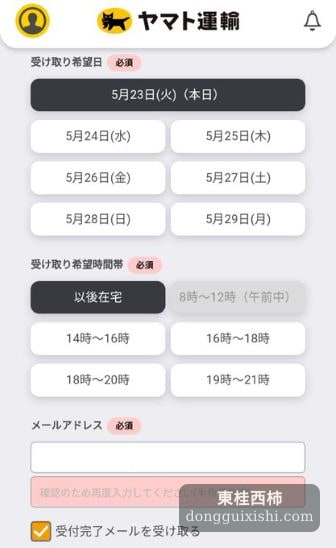
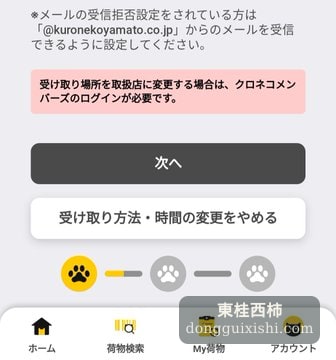
For most deliveries, if you are not at home when the courier arrives, they leave a redelivery notice. When you see such a notice, you can book another delivery time online. You can use the website, LINE, or of course make a phone call.
The screenshots below show roughly how it works.